It is 11:00 AM on a Saturday in Tiong Bahru. The cafe is packed, and a stylish crowd is queuing outside the shophouse. As an Indonesian entrepreneur who moved to Singapore to build a premium food brand, this sight is the ultimate dream. The lifestyle branding is working, the Instagram feed looks immaculate, and the orders are flooding in.
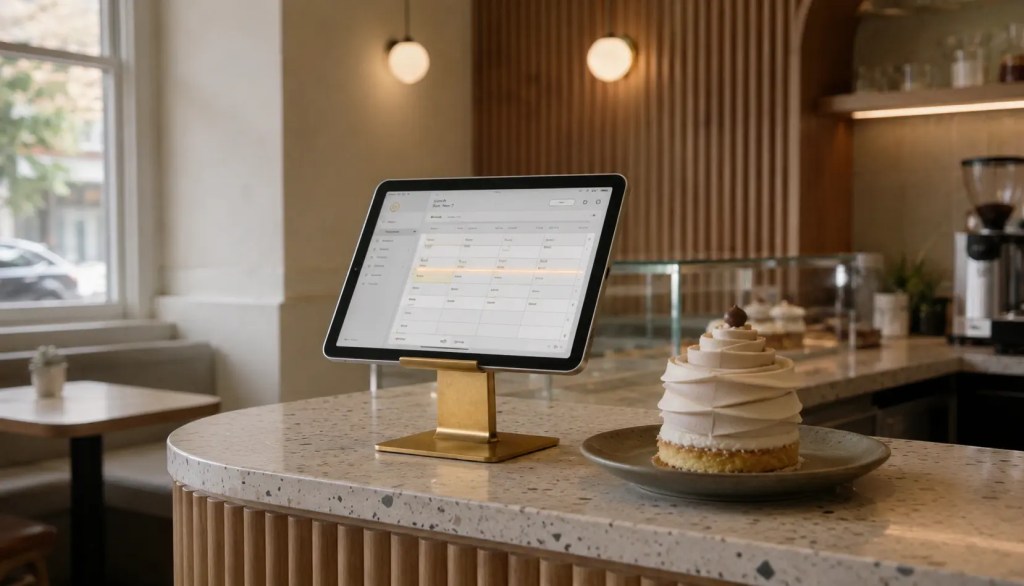
But behind the gorgeous terrazzo counter, the wheels are starting to come off. The store manager is staring intensely at an iPad, scrolling frantically through an ugly Excel spreadsheet. Three different customers are trying to pick up custom orders at the exact same time. One paper slip is missing the kitchen note about a severe nut allergy. Another regular swears they transferred a fifty percent deposit via PayNow last Tuesday, but the transaction record is buried somewhere inside a chaotic WhatsApp Business chat with two hundred unread messages.
This is the hidden operational tax of running a successful bakery brand. When your business model shifts from simple walk-in retail transactions to large-scale batch pre-orders, your daily operations change completely. A standard point of sale terminal meant for quick counter sales simply cannot handle this level of logistical friction. To protect your revenue and your sanity, you need to connect what happens at the front register directly to the kitchen production schedule.
The Structural Conflict: Quick Retail Sales vs. Multi-Stage Production
Most off-the-shelf POS software is built for instant gratification. A customer orders an iced latte, the staff member taps a button, the cash drawer pops open, and the interaction ends. The entire cycle takes less than a minute. It is linear, clean, and immediate.
Advanced baking operations do not work that way. When a client books a curated pastry box or a multi-tiered dessert for a major corporate event next month, they are creating a complex, multi-stage timeline. You collect a deposit today, order specialized dairy imports from global suppliers next Monday, bake the cake bases on Thursday, decorate on Friday, and arrange a fragile delivery next Saturday morning.
If your digital tools only recognize the financial transaction at the front counter, your kitchen staff are operating completely blind. They have zero visibility into upcoming production volumes. This disconnect causes human error, wasted inventory, and deeply stressed-out staff. To protect your brand equity, your front-of-house sales data must automatically dictate your back-of-house schedule.
Automating the Production Calendar without the Whiteboard Chaos
Fixing a broken pre-order system starts by removing manual translation from the daily routine. In a traditional kitchen setup, a manager reads through weekend invoices, manually tallies up the items, and writes a massive production list on a physical whiteboard. It is a slow, tedious process, and a single missed line can completely ruin a customer’s weekend event.
Modern cloud software removes this human error by automating production routing. The moment a pre-order is confirmed via your online storefront or your retail counter terminal, the platform processes the data instantly. It reads the pickup date, accounts for necessary preparation times, and slots the item onto a unified kitchen display.
Managing hundreds of advanced bookings during a frantic holiday weekend requires this level of automation, whether you are running a cozy neighborhood cafe or scaling production for the best cake in Singapore. Your bakers do not need to see financial metrics or customer phone numbers. They just need a clean digital screen showing exactly how many layers of sponge need to come out of the ovens by 5:00 AM.
The Financial Headache of Split Payments and Deposits
Let us look closely at the financial side of custom orders. High-volume baking carries substantial financial risk. If someone orders three hundred customized tarts for a product launch at Marina Bay Sands and then fails to show up, your business absorbs a painful loss in labor and high-end ingredients.
Deposits are mandatory to mitigate this risk, but managing partial payments manually is an accounting nightmare. When a customer pays half the total online and wants to settle the remainder using a physical card during a hectic weekend pickup rush, your system has to track that specific lifestyle flawlessly.
A smart B2B SaaS platform treats the order as a living document. When the customer arrives, the staff simply scan a unique barcode on the digital receipt. The system instantly recalls the initial deposit, calculates the outstanding balance with the correct local goods and services tax, and pushes the final amount directly to the card terminal. No manual calculation is needed, and the cash drawer stays completely accurate.
Central Kitchen Logistics and Multi-Outlet Synchronization
As your brand scales up in Singapore, you will eventually outgrow the small kitchen attached to your retail shop. To keep up with demand, you separate operations: a high-efficiency central kitchen in an industrial hub like Tai Seng or Bedok, and premium retail boutiques in high-footfall areas like Orchard or River Valley.
This geographic separation creates a major communication hurdle. How does a custom order placed at your Orchard counter instantly alert the pastry chef working miles away in Tai Seng?
Modern digital ecosystems act as a central nervous system for multi-outlet brands. Orders from your website, third-party delivery apps, and various physical boutiques converge into one dashboard. The system automatically categorizes and routes the work. Massive custom orders go straight to the central kitchen production queue, while smaller items are allocated to the local storefronts for assembly. This gives you absolute control over quality and consistency across the island.
Sleek Operations Drive Premium Growth
Building a luxury confectionery brand is a balancing act. It requires immense creative talent, a deep understanding of flavor profiles, and flawless visual presentation. However, to build a truly scalable business in a highly competitive market like Singapore, you have to fall in love with operational efficiency.
Stepping away from messy WhatsApp threads, loose paper dockets, and confusing spreadsheets isn’t just about saving an hour of administrative work every day. It is about building a calm, predictable environment where your pastry team can focus entirely on their craft, and your front-of-house staff can offer genuine hospitality.
If you look closely at your current technology stack, where are the bottlenecks slowing down your team? Let us look at your current workflow and design a digital ecosystem that allows your kitchen to grow smoothly without losing its artisanal touch.

